You’re correct — it’s generally not a drop-in replacement, especially for 18650-format systems.
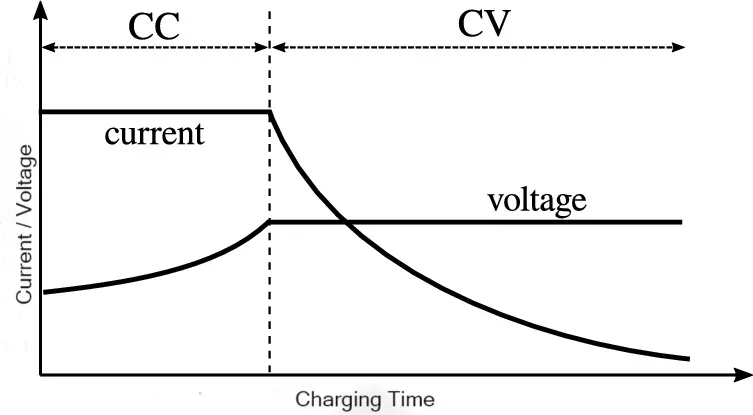
The main issue is exactly what you pointed out: charging voltage and charge profile. Standard Li-ion / Li-Po cells are charged to ~4.2 V per cell, while LiFePO₄ cells are typically charged to around 3.6–3.65 V. Charging a LiFePO₄ cell with a Li-ion charger will overvoltage it, which is unsafe and shortens lifespan.
Beyond voltage, there are a few other practical challenges:
• “Energy density: LiFePO₄ 18650 cells exist, but capacity is usually much lower than typical Li-ion 18650s, so expect reduced runtime unless the pack is redesigned.”
• “BMS compatibility: Any existing protection or balancing circuitry needs to be designed specifically for LiFePO₄ chemistry.”
• “Cutoff behavior: LiFePO₄ has a flatter discharge curve, so devices that rely on voltage-based state-of-charge estimation may behave oddly.”
People have successfully converted systems to LiFePO₄, but almost always by redesigning the pack and charger together, not by cell-for-cell substitution. It tends to work best in applications where you control the charger and load (DIY packs, power systems, solar, etc.), rather than consumer electronics.
If safety and cycle life are your main goals, LiFePO₄ makes a lot of sense — just plan on changing the charging hardware and battery management, not just the cells.